

Understanding burnout
Published · Reading time: about 6 minutes
Written by Alan Malt · BACP Member 422583
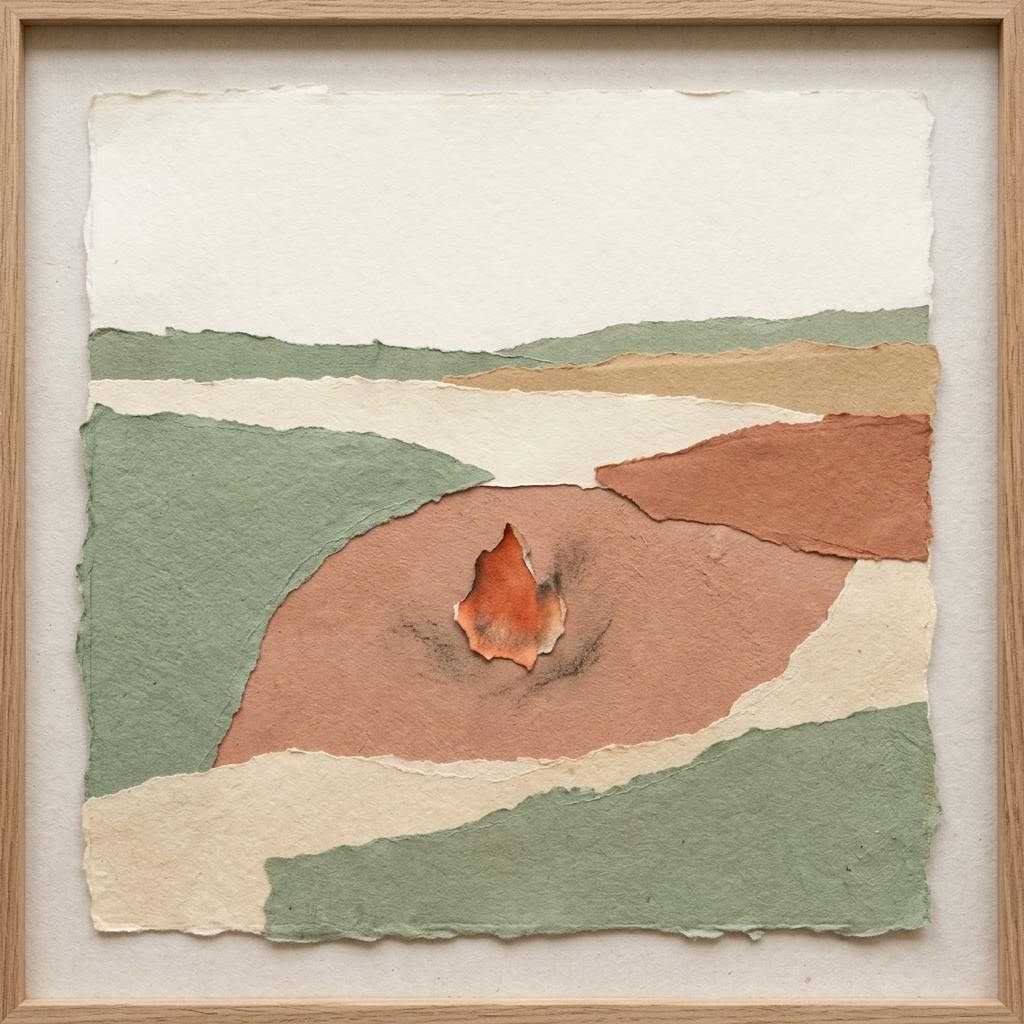
Burnout is often misunderstood as simply working too hard or needing a holiday. But true burnout is not just tiredness. It is a state of emotional, physical, and mental exhaustion caused by prolonged stress, where the fire has not just died down, it feels as though the fuel is completely gone.
The difference between stress and burnout
Stress is characterised by over-engagement. When you are stressed, your emotions are over-reactive, your anxiety is high, and you feel a sense of urgency. You might feel that if you can just get everything under control, things will be fine. Stress is the feeling of having too much on your plate.
Burnout is characterised by disengagement. When you are burned out, your emotions are blunted. You feel helpless, hopeless, and deeply cynical. The sense of urgency is replaced by a profound "what's the point?" Burnout is the feeling of having nothing left to give.
If stress is like drowning in a turbulent sea, burnout is like being washed up on a deserted beach, completely drained of the will to swim anymore.
How burnout sneaks up on you
Burnout rarely happens overnight. It is a slow, creeping process, which makes it hard to recognise until you are deep inside it.
It often begins with a subtle shift in how you view your work or your responsibilities. You might notice yourself becoming increasingly cynical or critical. Small frustrations that you used to handle easily now feel like insurmountable obstacles. You might start withdrawing from colleagues or friends, finding their presence irritating rather than supportive.
As it deepens, you may experience a sense of reduced accomplishment. Even when you complete a task, you feel no satisfaction. The inner critic becomes louder, telling you that nothing you do matters and that you are failing at everything.
The physical reality of an empty tank
Burnout is not just a mindset; it is a physical state. Your body has run on stress hormones like cortisol and adrenaline for so long that the system is depleted.
You might experience chronic fatigue, waking up exhausted even after a full night's sleep. Your immunity often drops, meaning you catch every cold that goes around. Headaches, muscle tension, and digestive issues are common as the body struggles to maintain equilibrium.
Many people try to push through these physical symptoms with more caffeine, more discipline, or harsher self-talk. But you cannot discipline a car into running without petrol. The body is enforcing a hard stop because the mind refused to take a soft one.
The trap of the weekend cure
When people realise they are exhausted, the instinct is often to book a weekend away or take a few days of annual leave.
While rest is crucial, a long weekend cannot cure true burnout. If you take a week off but return to exactly the same overwhelming workload, the same lack of boundaries, and the same internal pressure, the exhaustion will return almost immediately.
Recovering from burnout requires more than just stopping for a moment. It requires fundamentally changing how you operate, how you value yourself, and where you place your boundaries.
Disentangling your worth from your output
Burnout disproportionately affects people who care deeply about what they do. If your sense of identity and self-worth is entirely tied up in being productive, being successful, or being the person who never drops a ball, slowing down feels like a threat to who you are.
A crucial part of recovery is learning to separate who you are from what you produce. You are not your job title, your to-do list, or the number of hours you work.
Reconnecting with the parts of yourself that have nothing to do with achievement, the parts that enjoy a slow walk, that appreciate a good piece of music, that simply exist without needing to justify their existence, is a slow but vital process.
Finding a way back, slowly
You did not burn out in a week, and you will not recover in a week. Recovery from burnout is a gentle, iterative process of rebuilding your energy reserves and learning to protect them.
Counselling provides a space to examine the beliefs and patterns that led to the burnout in the first place. Without judgement, you can look at why it felt impossible to say no, why you felt responsible for everything, and what you are afraid might happen if you stop pushing so hard.
It is a place to learn how to rest without feeling guilty, and how to start living a life that is sustainable, rather than one that requires you to constantly set yourself on fire to keep others warm.
Frequently asked questions
- Do I have to quit my job to recover from burnout?
- Not necessarily. While some people do decide to change their environment, many recover by learning to set strict boundaries, changing their relationship to the work, and reducing their internal pressure while staying in their current role.
- How long does it take to recover?
- Recovery is measured in months, not weeks. It depends on how deep the burnout is and how much you are able to adjust your current circumstances. Patience with yourself during this time is essential.
- I feel like I don't care about anything anymore. Is that normal?
- Yes, deep cynicism and a feeling of emotional detachment are hallmark symptoms of burnout. It is your brain's way of protecting itself from further emotional expenditure. As your energy returns, your capacity to care usually returns too.
- Should I force myself to keep socialising?
- When you are burned out, socialising can feel like just another demand on your energy. It is okay to pull back and protect your time, but try not to isolate completely. Gentle, low-demand connection with a trusted friend is usually better than forcing yourself to attend large events.
- What is the first step I should take?
- The absolute first step is acknowledging that you are empty, and giving yourself permission to stop fighting that fact. Focus on the basics: sleep, simple food, and removing any non-essential demands from your week.
You cannot fix burnout by simply pushing harder.
If any part of this felt familiar, perhaps we could explore it together when you're ready.
Keep reading
You can also read about Alan and how he works, explore person-centred counselling in Retford, or get in touch whenever you feel ready.